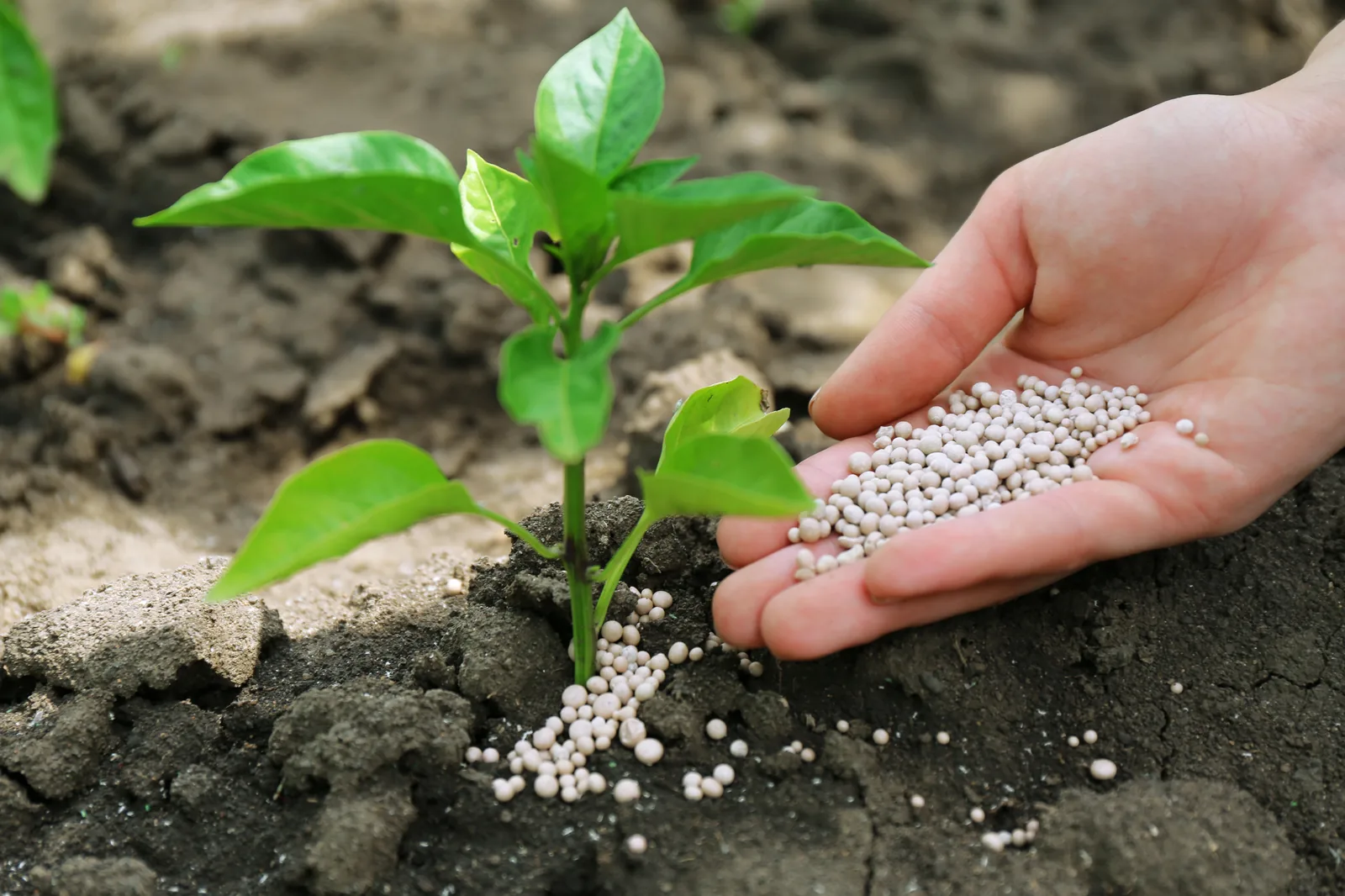
In the vast farmlands of Poland and Northern Europe, many farmers are confronted with a perplexing issue: despite investing in expensive phosphate fertilizers, the growth of their crops remains sluggish.
The culprit behind this is often not the poor quality of the fertilizer, but rather the problem lies with the soil beneath your feet.

1. Expert Warning: Soil pH is the "Switch" for Nutrient Utilization
Professor Renata Gaj, a senior agronomist at the University of Life Sciences in Poznań, once made a profound statement:
"In Polish agricultural practice, soil pH is not only a chemical indicator but also the 'switch' for nutrient utilization. For phosphorus fertilizers, an acidic soil environment is the greatest obstacle to achieving high yields."
According to Professor Gaj's research, over 40% to 60% of the arable land in Poland is in an acidic or strongly acidic state (pH < 5.5). This has led to a very serious consequence - the "phosphorus fertilizer fixation trap."
2. In-Depth Analysis: How is Phosphorus Fertilizer "Locked Up"?
When your soil pH is below 5.5, the phosphate ions applied to the soil do not wait obediently for the crops to absorb them but instead encounter "chemical interception":
- Precipitation reaction: The active aluminum (Al) and iron (Fe) ions in acidic soil quickly combine with phosphorus to form highly insoluble aluminum phosphate and iron phosphate.
- Alarming utilization rate: Professor Gaj's research shows that in an acidic environment, expensive phosphorus fertilizers can be "locked up" within just a few hours. This results in a traditional broadcast application phosphorus use efficiency (PUE) of typically less than 10% to 25%.
This means that for every 100 zlotys you spend on fertilizer, up to 75 zlotys may be "swallowed up" by the soil in vain.

Want to break through soil limitations? You need smarter fertilization methods.
Learn how Fengjiang Navigation protects your fertilizer investment with waypoint-level accuracy.
3. The Solution: Professor Gaj's Agronomic Recommendations
To address this persistent problem, Professor Gaj offers two key prescriptions:
- Adjust the acidity first, then apply phosphorus: Blindly increasing phosphorus fertilizer application is an economic suicide. It is recommended to first raise the pH to the ideal range of 6.0-7.0 through liming.
- "Precision Placement" of Phosphorus Fertilizer: In cases where the pH is not ideal, it is strongly recommended to use band application or near-root fertilization. By reducing the contact area between the fertilizer and the acidic soil, the probability of fixation is significantly reduced.
4. Digital Agriculture: Delivering Every Gram of Fertilizer to the Root System
Since "precision placement" is the key, how can we achieve precise operations with an error of only a few centimeters across hundreds of hectares of farmland? This is precisely where modern smart agricultural technology comes into play.
Core Solution: ±2.5cm Navigation + Variable Rate Application (VRA)
By introducing FJDynamics' digital solution, farmers can make the leap from "experience-based fertilization" to "scientific quantification":
- Ultimate Precision in Band Application: With ±2.5cm navigation provided by high-precision receivers, tractors can perform precise band operations, placing phosphorus fertilizer precisely beside the seeds and bypassing the interception of acidic soil.
- Prescription Map-Driven Variable Rate Application: Using the FieldFusion software, you can convert soil pH scan maps into "fertilization prescriptions". Automatically adjust the dosage in strongly acidic areas to avoid waste; increase input in high-quality areas to ensure high yields.
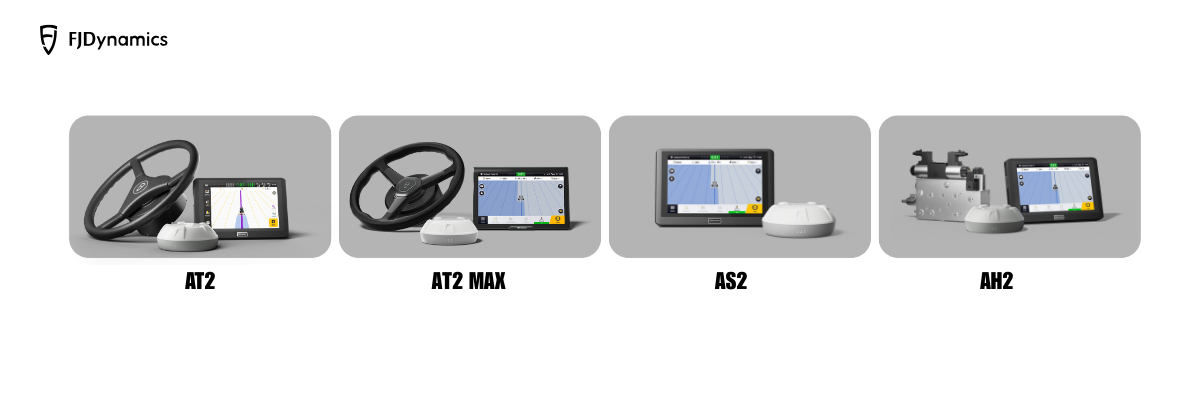
After using Fengjiang's variable-rate fertilizer application system, the utilization rate of phosphorus fertilizer can be increased to over 50%. Click here to get your farm's exclusive return on investment analysis.

5. Agriculture is not just physical labor, but also precise calculation
As Professor Renata Gaj advocates, balanced fertilization is the cornerstone of modern agriculture. Under the dual pressure of rising costs and environmental restrictions in Polish agriculture, combining high-precision GPS technology with agronomic science is our only path to prosperity.
Stop wasting, starting now.
